Herbal Leaves Element: A Fresh Graphic for Branding and Marketing Visuals
As a brand designer and content marketer, I recently came across the Herbal Leaves Element. Natural Decorativ graphic design asset and decided to test it in a real-world branding scenario. The project? A wellness brand launching a new line of organic herbal teas. The goal was to create a visual identity that felt natural, approachable, yet premium. Here's how this design element performed across branding, marketing, and content creation workflows.
First Impression: Clean, Organic, and Versatile
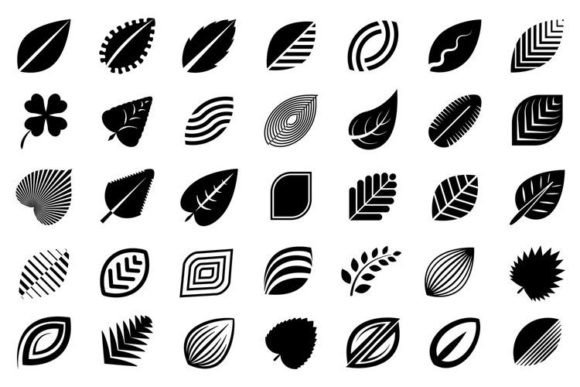
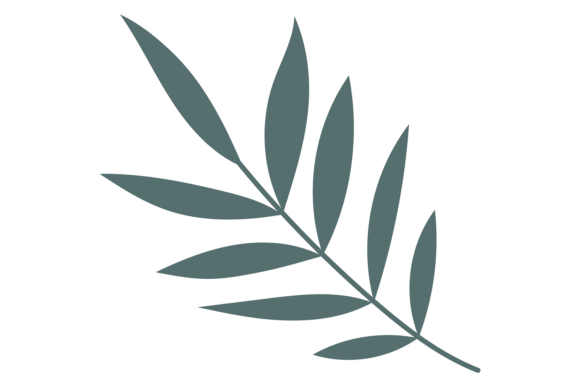
The Herbal Leaves Element has a soft, botanical aesthetic. It’s not overly stylized or cartoonish, which makes it feel authentic and grounded. The isolated branch with transparent background gives it flexibility across light and dark layouts. It exudes a calm, nature-inspired mood—ideal for brands focused on wellness, sustainability, self-care, or artisanal products.
From a brand perception standpoint, this design element subtly communicates purity, growth, and mindfulness. It leans more toward the premium handmade or lifestyle niche than fast commercial branding. That said, it can be adapted to both casual and elevated visual styles depending on how it’s used.
Real-World Use: From Logo Accents to Pinterest Graphics
I tested the Herbal Leaves Element across several campaign visuals:
- Logo design mockup: Used as a subtle accent in the corner of a minimalist logo lockup for a tea brand. It added a touch of nature without overpowering the typography.
- Packaging design: Integrated into the label design for a limited-edition herbal tea box. Paired with earthy tones and serif fonts, it gave the product a boutique, artisanal feel.
- Social media graphics: Applied as a decorative header on Instagram posts and Pinterest pins. It helped frame the content beautifully while keeping the design clean and readable.
- Email banners: Used as a border element to separate sections in a seasonal product launch email. It added visual interest without distracting from the call-to-action.
Across all these uses, the Herbal Leaves Element maintained its clarity and visual appeal, especially in SVG and transparent PNG formats.
How It Supports Marketing Goals
This design asset is more than just a pretty graphic—it actively supports key marketing objectives:
- Stronger first impression: Its organic look draws attention without being overwhelming, perfect for landing pages and hero banners.
- Visual hierarchy: Serves as a natural divider or accent that guides the eye toward the main message.
- Brand consistency: Can be used across multiple touchpoints (social, print, packaging) to reinforce brand identity.
- Audience trust: The clean, natural aesthetic aligns with eco-conscious and health-focused audiences, enhancing credibility.
- Emotional connection: Plants and botanical motifs evoke calm and trust—valuable for wellness, beauty, or food brands.
Best Uses for Herbal Leaves Element
Based on testing, here are the top use cases where this graphic design asset shines:
- Hero graphics and campaign headers: Adds a natural, elegant touch to website banners and digital ads.
- Product launch visuals: Works well as a decorative border or background accent in promotional images.
- Branded Canva templates: Perfect for bloggers and social media managers creating reusable content kits.
- Packaging accents: Ideal for small touches on product labels, inserts, or thank-you cards.
- Editorial layouts: Enhances blog headers, infographics, or lead magnet designs with a soft botanical feel.
Where to Use It Carefully
While versatile, the Herbal Leaves Element isn’t a one-size-fits-all solution. It should be used with caution in the following scenarios:
- Formal corporate branding: Too casual for law firms, financial services, or enterprise tech brands.
- Dense information layouts: Can clutter data-heavy infographics or reports.
- Small mobile graphics: Loses detail when scaled down for mobile app icons or tiny thumbnails.
- Low-contrast backgrounds: May fade into similar-toned layouts, reducing visibility.
- Text-heavy ads: Competes with copy in ads where message clarity is critical.
Designer Notes: Practical Testing and Brand Integration
Before integrating this asset into a live campaign, here are some practical steps I recommend:
- Test with your brand colors: See how it looks with your primary and secondary palette. It pairs well with greens, beiges, and soft pastels.
- Check black and white usage: Some details may get lost when desaturated—important for print or grayscale content.
- Mockup placement: Drop it into your real campaign visuals to see how it interacts with other design elements.
- Mobile preview: Always test on phone screens to ensure it scales well and doesn’t become pixelated.
- Font pairing: Works best with serif, script, or handwritten fonts. Avoid pairing with ultra-modern sans serifs unless you're aiming for contrast.
- Spacing and balance: Don’t overcrowd the layout—give it room to breathe so it enhances rather than distracts.
- Licensing check: Confirm the commercial license before using in paid campaigns or client work.
Why It Works for Content Creators and Small Brands
For bloggers, social media managers, and small business owners, the Herbal Leaves Element offers a ready-to-use, high-quality design solution that supports both aesthetics and strategy. It helps create a cohesive visual language across platforms without requiring advanced design skills. Whether you're building a Canva template library, designing packaging inserts, or crafting Pinterest graphics, this graphic design asset can elevate your visual content with minimal effort.
Its SVG and transparent PNG formats make it easy to integrate into both print and digital workflows, and the clean illustration style ensures it won’t go out of fashion quickly. In a crowded content landscape, subtle, well-designed elements like this can make the difference between a forgettable post and a visually compelling campaign.